




Have you ever been shopping, seen a ‘WAS £X, NOW £Y’ pricetag, and wondered to yourself whether that’s actually true, or just a marketing gimmick?
Well, in the UK, you’ll be pleased to know that there are consumer regulations in place that provide guidelines for was/now pricing (also known as strikethrough pricing), in order to ensure that it is not misleading to consumers.

But how is was/now pricing regulated in the UK? How are retailers supposed to price goods, and how do you spot a misleading discount?
Read on for more info!
 Have you got a pricing complaint?
If you’ve hit a wall with a retailer, RetailADR offers a FREE, independent route to a resolution – approved by the Chartered Trading Standards Institute to settle disputes between consumers and Participating Member traders right across the UK.

What is was/now pricing?
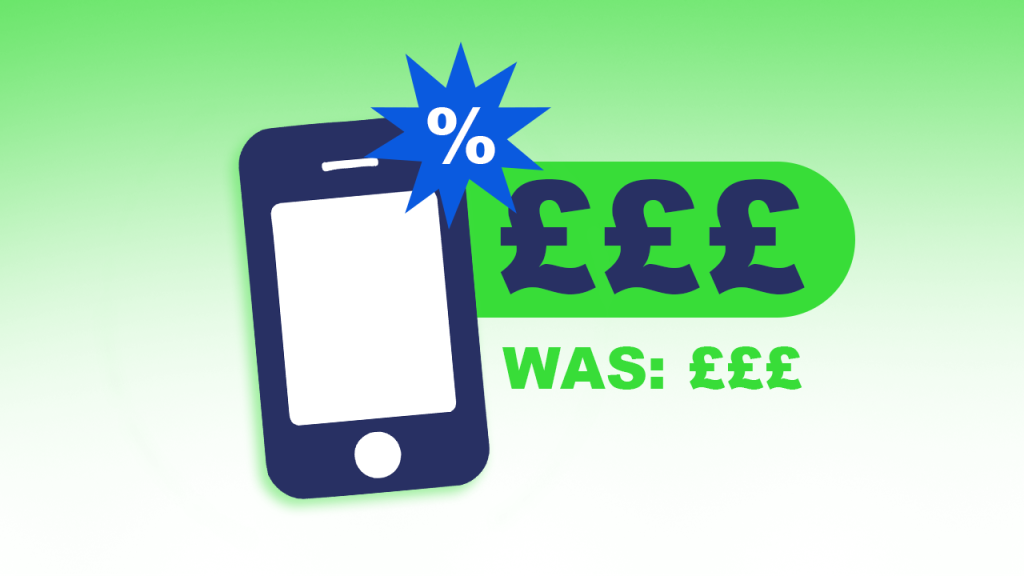
Was/now pricing is a promotional technique that displays a previous price alongside a lower current price.

For example:
- Was: £100
- Now: £60
- Advertised saving: £40 (40%)
The purpose of was/now pricing is generally to show customers the difference between the previous price and highlight a product’s newer, discounted price.
There’s nothing inherently wrong with a trader using was/now pricing – in fact, it’s perfectly legal for them to do so, as long as what they’re claiming is true, and not misleading.
 For example:
- A trader launches a product at £100 for a short period of time
- They then reduce its price to £60
- They now sell the product with a ‘WAS £100 / NOW £60’ pricetag
This may be fine initially, as they were genuinely selling the product at £100 originally, but if they keep that ‘WAS/NOW’ price-tag on that product for months after its price got reduced to £60…
At what point has £60 become the product’s usual selling price, meaning that comparing it to the old £100 price becomes misleading?
This is exactly where UK consumer protection laws come into play.

Is was/now pricing regulated in the UK?
Yes, existing UK consumer protection law and advertising rules govern how retailers can advertise previous prices and claim savings.
For example, thanks to the Digital Markets, Competition and Consumers Act 2024 (DMCC Act 2024), we now have updated rules on unfair commercial practices – such as with regards to misleading advertising.
So, if a trader is displaying a false ‘WAS’ price in order to make the ‘NOW’ price seem more appealing, that may be considered misleading, and thus unlawful.
The DMCC Act 2024 also applies to online shopping, not just traditional retailers – so if you’ve spotted a misleading online was/now price, that may also be covered.
Other UK consumer rights laws also apply to regulating strikethrough pricing, as well as regulatory bodies like the Competition and Markets Authority (CMA), who help protect consumers from unfair trading practices.

What rules do retailers have to follow when advertising was/now prices?
There is no specific set of rules about how exactly a retailer can advertise their was/now pricing.
However, in order to avoid publishing misleading product advertisements, retailers should adhere to the following:
The WAS price must be genuine
A retailer should be able to demonstrate that the product was genuinely available at the advertised previous price, and that the new was/now comparison represents a meaningful saving.
The WAS price must reflect the product’s usual selling price
A ‘was price’ may only reflect the product’s usual selling price for a certain period of time.
If the lower ‘now price’ has been in place for a while… eventually, that ‘now’ price may just be considered the product’s normal price, for all intents and purposes.
As such, it’s advisable for a retailer to remove the ‘was/now’ price label after a reasonable amount of time has passed.
Retailers shouldn’t artificially inflate prices to create discounts
It may be considered misleading if a retailer very briefly increases the price of a product… Only to immediately lower it again, just so that they can advertise it using was/now pricing.
However, a price increase followed by a reduction is not automatically unlawful.
The important question is whether:
- The reference price/advertised saving are genuine
- The overall presentation misleads consumers

What should you do if you think a was/now price was misleading?
If you believe a product has been advertised in a misleading way, start by gathering evidence.
Keep copies of:
- The original advertisement or product listing
- Photographs of the product
- Receipts
- Emails, messages and letters
- Any relevant warranty or guarantee
- Reports or assessments relating to the product
Then contact the retailer to file a complaint using their published complaints process, and explain clearly: what information you were given, why you believe it was inaccurate and what resolution you are seeking.
Keeping your complaint factual and specific can make it much easier for the trader to understand the issue.
 How RetailADR can help
RetailADR provides an independent, FREE, and impartial Alternative Dispute Resolution service to resolve disputes between consumers and traders.
We’re a neutral third party: you can escalate your pricing complaint with us at no cost, and our specialist Adjudicators will review all the information and evidence from both you and the trader before coming to a stress-free conclusion!
Once we’ve established a Complete Complaint File, it only takes 60 Days for us to issue a Determination on your case – and guess what? If you accept our decision, it becomes legally binding. Simple!
 How do I get started?
Once your evidence is together, you can lodge your complaint with us for FREE in whichever way suits you – through our online portal, by post, or by phone:
> Start your complaint with RetailADR
> What to do before you come to us
Want to learn more about your Consumer Rights? Follow our social media platforms below!